Shirts in Germany: What Locals Actually Wear — and the Green Check Rising
Ask what people wear in Germany and the stereotypes answer first — all checks and festival wear, or all severe minimalism — while the real wardrobe sits between them, regionally flavored and occasion-sorted with characteristic precision. Shirts in Germany actually run a legible system: crisp understated business shirting in the professional north-and-everywhere, quality-casual basics as the daily default, the outdoor-technical layer the hiking culture demands, and — in the south and across every festival calendar — the living Trachten tradition where the checked shirt remains genuine daily-and-celebration wear rather than costume. Reading the system explains the wardrobe, guides the visitor packing for it, and illuminates the category’s current movement: the quiet rise of green. This guide covers the map — the four registers of German shirt-wearing, the regional split, the festival tradition’s place in modern life, the green-check ascent, and the buying notes that travel.
The Four Registers of German Shirt Life
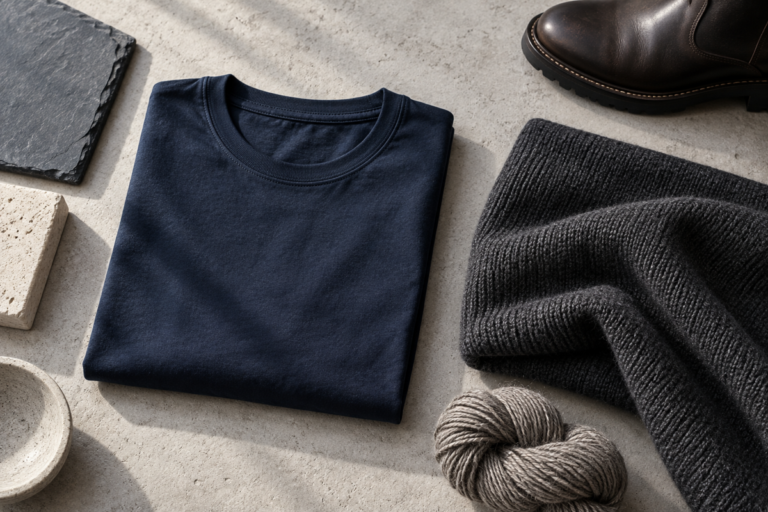
The wardrobe sorts by occasion with national consistency. Business and formal: crisp, conservative, quality-first — white and light-blue poplins, fine checks at most, under the tailoring German professional dress keeps deliberately understated; flash reads poorly, fabric quality reads loudly. Daily casual: the quality-basic register — solid tees and knits, Oxford and flannel button-ups, muted palettes (navy, grey, olive, white) worn fitted and unfussy; the look outsiders read as “effortlessly put-together” is mostly disciplined basics. Outdoor-technical: the register the hiking-and-cycling culture funds — performance fabrics, practical checks and solids, function worn without apology far beyond the trail. And traditional: the Trachtenhemd register — woven checks and stand-collar whites — living wear across the south’s festival calendar, beer gardens and family occasions, not a museum piece.
The registers’ shared thread is the national shirt philosophy in one line: quality over logo, fit over flash, occasion matched precisely.
The Regional Split
Geography flavors the system. The south — Bavaria and the Alpine belt: the traditional register at full strength — checked shirts as normal wear at beer gardens, festivals, Sunday occasions; Trachten shops on ordinary high streets; the gingham-under-suspenders image being simply true here, alongside the full modern registers. The north and the cities: minimalism leads — the Hamburg-Berlin axis of muted quality-casual and clean business shirting, with the traditional register appearing for Oktoberfest season (which the whole country now celebrates) rather than daily life. And the connecting truth: the registers travel — the Munich professional wears the same crisp business shirt as the Hamburg one; the difference is what the weekend wardrobe holds.
For the visitor, the split writes the packing list: quality muted casual everywhere, business-crisp if working, and — southbound or festival-bound — the checked shirt that lets you join rather than watch.
The Traditional Register in Modern Life
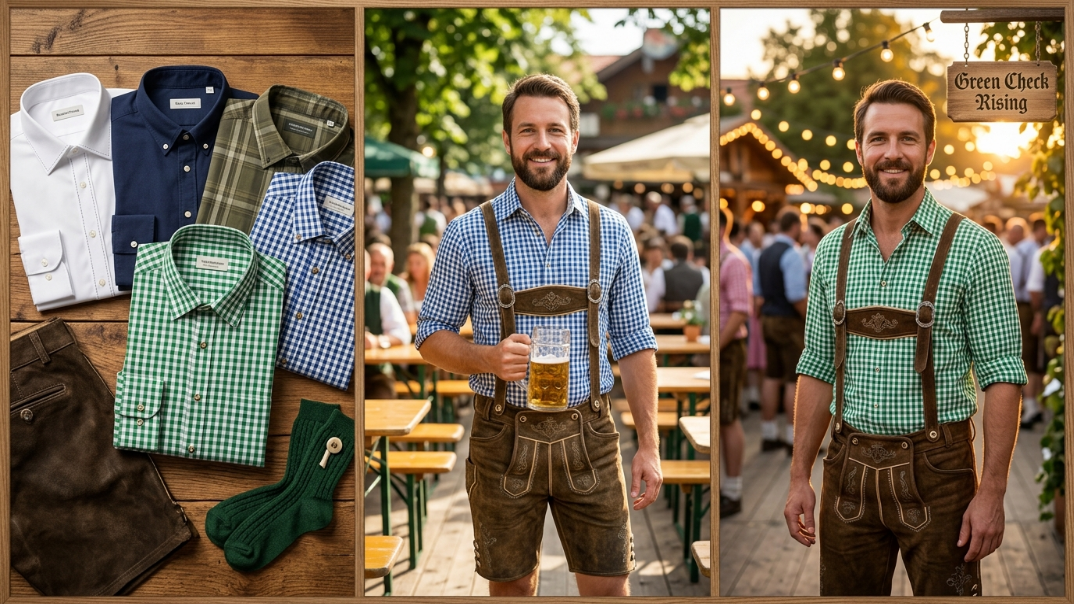
The system’s most misread register deserves its own decode: the checked Trachtenhemd is living clothing, worn by actual Germans at actual occasions — festival season foremost (where the whole population dresses, visitors included), but also beer gardens, weddings’ relaxed hours, family celebrations and the south’s ordinary Sundays. The register’s internal code carries meaning: blue-and-white as the Bavarian civic classic, red as the warm alternate and the green check shirt as the rising third, the check worn tucked beneath suspenders with the conventions (collar open one, sleeves rolled) the tents read fluently. And the register’s border with costume is quality: woven both-faces gingham in real cotton versus the printed souvenir tier — the same authenticity line every traditional garment draws.
The modern-life takeaway: the traditional register isn’t Germany’s past wardrobe; it’s the occasion-matched fourth quadrant of its present one — entered correctly by anyone, local or visitor, who wears the real article by the code.
The Green Check Rising
Inside the traditional register, the category’s live trend is chromatic: the green check shirt climbing from third option to connoisseur’s choice. The drivers: distinction — in tents dominated by blue and red, green photographs as the deliberate pick; harmony — green-and-white gingham beside brown leather echoes the Alpine palette (loden, forest, hunter’s green) the whole tradition already runs, tying shirt to hat cords, sock flashes and vest tones in one thread; and crossover — the green check reads equally at home in the outdoor-casual register (flannel weights, autumn builds), making it the rare festival shirt that works the other three quadrants of the wardrobe.
The rise’s practical note for buyers: green sells through fastest of the alternates each festival season precisely because stock follows the old blue-red assumption — the early order rule applying hardest to the rising color.
Buying Notes That Travel
The system’s purchasing logic compresses for any wardrobe. The universal screen: fabric named and substantial, weave over print (both-faces checks), real construction — German shirt culture’s quality-first philosophy being the whole guide in miniature. The register match: buy for the occasion quadrant the shirt will actually live in — business-crisp, quality-casual, outdoor, or traditional — because the registers don’t substitute. The traditional entry: blue check first by the standing code, white for the dressed form, green as the rising second — woven, generously cut, tail-deep for the tuck. And the visitor’s version: one quality muted casual shirt, one crisp option, and the checked Trachtenhemd bought ahead of any festival plans — the three-shirt kit that passes everywhere the map runs.
Frequently Asked Questions
What shirts do Germans actually wear daily?
Quality muted basics — solid knits, Oxford and flannel button-ups in navy, grey, olive and white fitted, unfussy, quality-first.
Is the checked shirt really worn in Germany?
Genuinely — as living traditional wear across the south’s festivals, beer gardens and occasions, and nationwide every Oktoberfest season.
What’s the regional difference in shirt style?
The south carries the traditional register at full daily strength; the northern cities lead with minimalism — while business and casual registers stay consistent nationwide.
Why is the green check shirt trending?
Distinction in blue-red tents, harmony with the Alpine palette’s greens, and crossover into outdoor-casual wear — the rare festival shirt serving multiple registers.
What should a visitor pack?
Quality muted casual, one crisp shirt if working, and a woven checked Trachtenhemd for any festival plans — the three-shirt kit for the whole map.
How do I avoid the souvenir tier?
The universal screen: woven both-faces checks in named cotton with real construction — Germany’s own quality-first philosophy, applied at purchase.