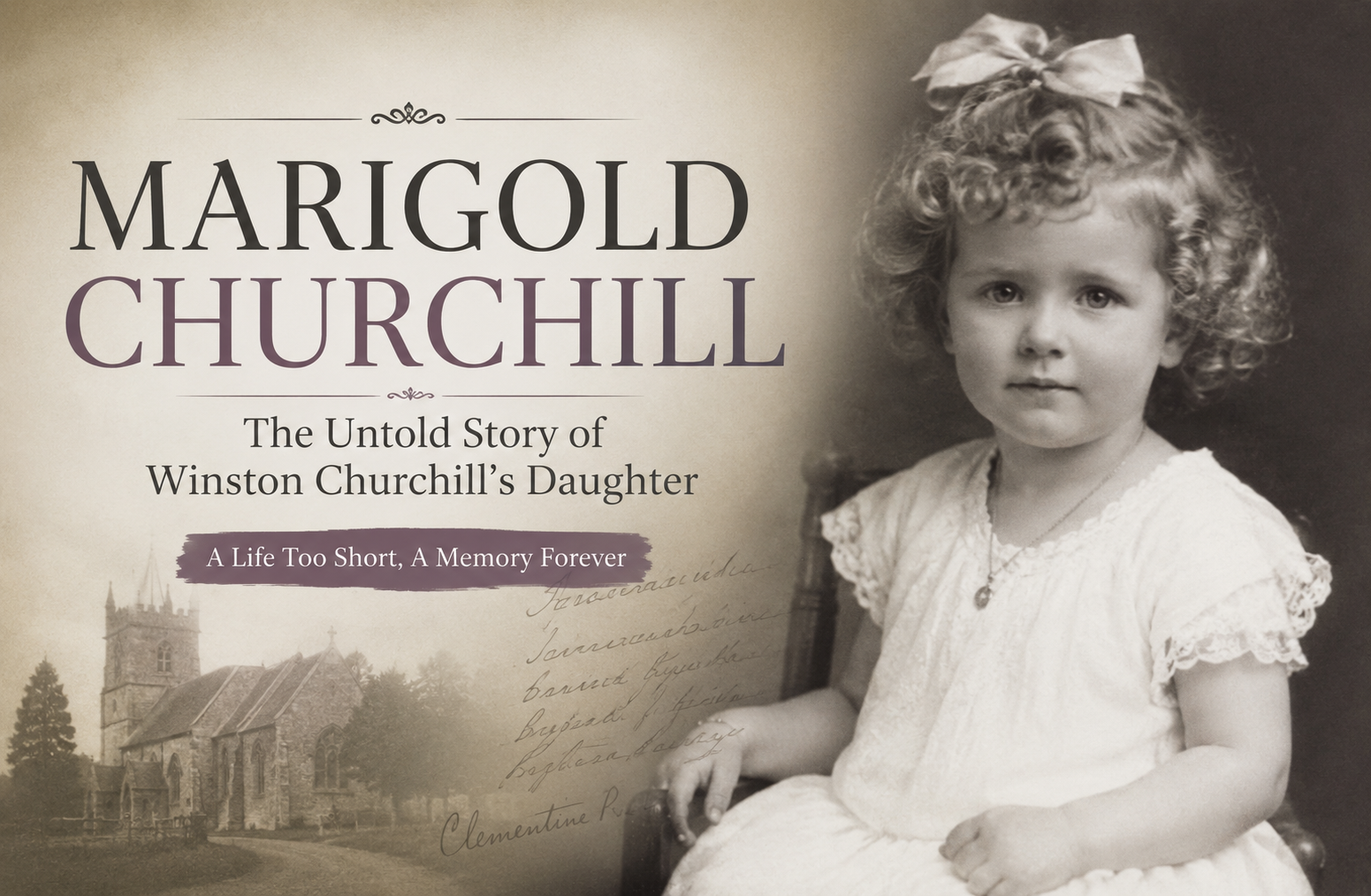
Marigold Churchill: The Forgotten Churchill Daughter
Marigold Churchill is one of the most overlooked members of the famous Churchill family. While much of history focuses on Winston Churchill’s political career, wartime leadership, and influence on the twentieth century, far fewer people know about the heartbreaking story of his daughter. Despite living for less than three years, Marigold Churchill left a lasting impact on her parents and became an important part of the Churchill family’s history.
Many people discover her name while researching Winston Churchill and wonder who she was, how she died, and why her story continues to attract attention more than a century later. Understanding her life provides a deeper look into the personal experiences that shaped one of Britain’s most influential leaders.
This article explores her life, family background, tragic death, historical significance, and the legacy she left behind.
Who Was Marigold Churchill?
Marigold Frances Churchill was born on November 15, 1918, shortly after the end of the First World War. She was the fourth child of Winston Churchill and Clementine Churchill.
Within the family, she was affectionately known by the nickname “Duckadilly.” Family members described her as cheerful, energetic, and deeply loved by everyone around her. Although her life was brief, she occupied a special place within the Churchill household.
At the time of her birth, Winston Churchill was rebuilding his political career after experiencing significant professional challenges. Family life offered comfort and stability during uncertain times, making the arrival of a new child a source of happiness.
Quick Facts
| Detail | Information |
| Full Name | Marigold Frances Churchill |
| Birth Date | November 15, 1918 |
| Parents | Winston Churchill and Clementine Churchill |
| Nickname | Duckadilly |
| Death Date | August 23, 1921 |
| Age at Death | 2 Years and 9 Months |
| Cause of Death | Septicemia |
| Nationality | British |
Marigold Churchill and the Churchill Family
To fully understand the importance of Marigold’s story, it is helpful to look at the family she was born into.
The Churchill household was already home to three children before her arrival:
- Diana Churchill
- Randolph Churchill
- Sarah Churchill
Several years after Marigold’s death, another daughter, Mary Churchill, would be born.
Although Winston Churchill is remembered as a politician, writer, military strategist, and statesman, he was also a father who deeply cared about his children. Family correspondence and historical accounts reveal a man who valued family relationships despite the demands of public life.
Marigold became an important source of joy during a period when political pressures and public scrutiny were constant parts of daily life.
Early Childhood
The early years of Marigold’s life were spent in a loving and supportive environment. Family members frequently recalled her playful personality and affectionate nature.
Children born during the early twentieth century faced many challenges that are difficult for modern readers to imagine. Medical care was improving, but many illnesses that are easily treated today remained dangerous and often fatal.
Despite these realities, Marigold enjoyed a happy childhood surrounded by parents and siblings who adored her.
Historical descriptions portray her as a bright and lively child whose presence brought warmth and happiness to the family home.
The Tragic Death of Marigold Churchill
The most significant event associated with Marigold Churchill is the tragedy that ended her life at a very young age.
In 1921, she became seriously ill after contracting an infection. The illness eventually developed into septicemia, a severe blood infection that was often fatal during that period.
Modern medicine offers treatments that significantly improve survival rates for patients with similar infections. However, antibiotics had not yet transformed healthcare, and doctors had limited options available.
Despite efforts to save her, Marigold died on August 23, 1921.
She was only two years and nine months old.
For Winston and Clementine Churchill, the loss was devastating.
Understanding Septicemia in the Early Twentieth Century
To understand why the illness proved fatal, it is important to consider the medical realities of the era.
Today, septicemia can often be diagnosed and treated through:
- Antibiotics
- Blood testing
- Advanced medical monitoring
- Intensive care support
In the early 1920s, many of these tools did not exist.
Several factors contributed to high mortality rates:
- Limited treatment options
- Delayed diagnosis
- Lack of antibiotics
- Incomplete understanding of infections
- Reduced emergency care capabilities
Many families experienced similar tragedies during this period, regardless of wealth or social status.
The death of Marigold reflected the medical limitations of her time rather than a lack of care or attention.
How Winston Churchill Was Affected
Public figures are often remembered for their achievements, but personal losses can shape their lives just as profoundly.
The death of Marigold Churchill deeply affected Winston Churchill.
Biographers have frequently noted that he struggled with periods of depression throughout his life. Although historians avoid drawing direct conclusions between specific events and later decisions, there is little doubt that losing a child created immense emotional pain.
Parents who experience the death of a child often describe it as a life-changing event. Historical accounts suggest that Winston Churchill never forgot his daughter.
The tragedy revealed a more vulnerable side of a man often portrayed as fearless and determined.
Behind the speeches and political victories was a father grieving the loss of a beloved child.
Clementine Churchill’s Grief
The loss of Marigold had a profound effect on Clementine Churchill as well.
As a devoted mother, she experienced overwhelming sorrow following her daughter’s death.
Historical records suggest that the emotional impact remained with her for many years.
Many historians believe that shared grief strengthened certain aspects of Winston and Clementine’s relationship, even as they struggled with the emotional burden of losing a child.
The story highlights the universal nature of grief.
Regardless of social status, wealth, or political influence, the loss of a child remains one of life’s most painful experiences.
Burial and Memorial
After her death, Marigold was buried in London.
Her grave later became notable because of its memorial design and historical significance.
For many years, it served as a place of remembrance for family members and historians interested in the Churchill family.
The memorial stood as a symbol of a life that ended too soon and a reminder of the personal challenges faced by one of Britain’s most famous families.
Reinterment and Family Reunion
Nearly one hundred years after her death, an important chapter in Marigold’s story unfolded.
Her remains were moved to the Churchill family burial site, where she was laid to rest alongside other members of her family.
The decision carried emotional and symbolic importance.
For descendants and historians, it represented a long-awaited reunion.
The reinterment also renewed public interest in her story and introduced a new generation of readers to this lesser-known chapter of Churchill family history.
Why People Still Search for Marigold Churchill
Interest in historical figures often extends beyond politics and public achievements.
People continue searching for information about Marigold Churchill for several reasons.
Human Curiosity
Many readers want to understand the personal side of famous historical figures.
Family History Research
Genealogists frequently encounter her name while studying the Churchill family tree.
Historical Education
Students and researchers often explore family influences that shaped important leaders.
Emotional Connection
Her story resonates because it reflects universal themes of love, loss, memory, and resilience.
What Her Story Reveals About History
One reason the story remains relevant today is that it offers insight into broader historical realities.
Childhood Mortality
Childhood deaths were significantly more common during the early twentieth century.
Medical Progress
Her death demonstrates how advances in healthcare have transformed survival rates for serious infections.
Family Life of Public Figures
Historical leaders experienced many of the same joys and sorrows as ordinary families.
Private Grief Behind Public Success
The story reminds us that public achievements often exist alongside personal struggles.
The Lasting Legacy of Marigold Churchill
Although Marigold never reached adulthood, her legacy continues through historical memory.
She is remembered because her life represents more than a family tragedy.
Her story provides:
- Insight into Winston Churchill’s personal life
- A reminder of historical healthcare challenges
- A powerful example of parental grief
- A human perspective on famous historical figures
In many ways, her significance comes not from what she accomplished but from what her life reveals about the people who loved her.
Historical Interest in Marigold Churchill Today
Modern readers are increasingly interested in the personal stories behind major historical events.
Rather than focusing only on politics and wars, historians now pay closer attention to family relationships, emotional experiences, and social history.
As a result, Marigold Churchill has become an important figure for those seeking a more complete understanding of the Churchill family.
Her story helps bridge the gap between public history and private experience.
It reminds readers that history is ultimately about people and the lives they lived.
FAQs
Who was Marigold Churchill?
Marigold Churchill was the daughter of Winston Churchill and Clementine Churchill. She was born in 1918 and died in 1921 at the age of two.
What was the cause of Marigold Churchill’s death?
She died from septicemia, a serious blood infection that was often fatal before modern antibiotics became available.
How old was Marigold Churchill when she died?
She was two years and nine months old when she passed away in August 1921.
Why is Marigold Churchill important?
She is important because her story reveals the personal side of Winston Churchill’s life and highlights the emotional impact of family tragedy.
Did Winston Churchill recover from the loss?
While he continued his political career and achieved many accomplishments, historical accounts suggest that the loss remained a deeply painful memory throughout his life.
Why do people still search for Marigold Churchill?
People remain interested because her story provides insight into the Churchill family, early twentieth-century life, and the human experiences behind famous historical figures.
Conclusion
The story of Marigold Churchill remains one of the most touching and tragic chapters in Churchill family history. Although her life lasted less than three years, her memory endured for generations and continued to influence how historians understand the private world of Winston and Clementine Churchill.
Her story serves as a reminder that history is not only shaped by political decisions, military victories, and public achievements. It is also shaped by personal experiences, family relationships, and moments of profound loss.
More than a century later, Marigold Churchill continues to be remembered because her life offers a deeply human perspective on one of history’s most influential families.