How to Mix Essential Oils Like a Pro
Essential oils have been around for thousands of years and remain among the best for skin, hair, and more. That said, if you want to combine two essential oils, things get complicated. You need to understand how both oils work, what their interactions might be, and how to actually mix them.
Moreover, you may need a carrier oil, like castor oil, or another option to use an essential oil. As you can see, there’s a lot to learn. The good news? We have your back in this guide. Read on to learn how to mix essential oils like a professional.
What is an Essential Oil?
First and foremost, it’s important to understand what you’re working with, especially before you try to mix it with something. So, what is an essential oil? Well, it’s an oil that comes from plant material, like stems, bark, roots, and leaves of plants. In fact, some oils may even come from seeds or other portions of the plant, so it varies.
How is Essential Oil Made?
Essential oil is made in a few ways, and how it’s made impacts how well it mixes with other essential oils and carrier oils. The most common methods for creating essential oils involve cold pressing the material to create the oil and steam distillation.
These methods require a lot of plant material, which is why you likely won’t be able to make them yourself. So, you can mix essential oils, but making them at home can be challenging without the right equipment.
How to Mix Essential Oils
If you want to mix essential oils, there are a few steps that you need to follow. The good news is that they’re not all that complicated; it comes down to understanding what you’re working with. Learn more about the process below.
Step 1: Comparability is Key
First and foremost, it’s important to ensure that the oils you want to mix are compatible. Before you mix anything, do the best you can to test them; use a cotton ball and drop a little bit of each oil onto it.
Then, smell the oil to determine if it makes sense to mix them.
Step 2: Drop the Oils into a Bottle
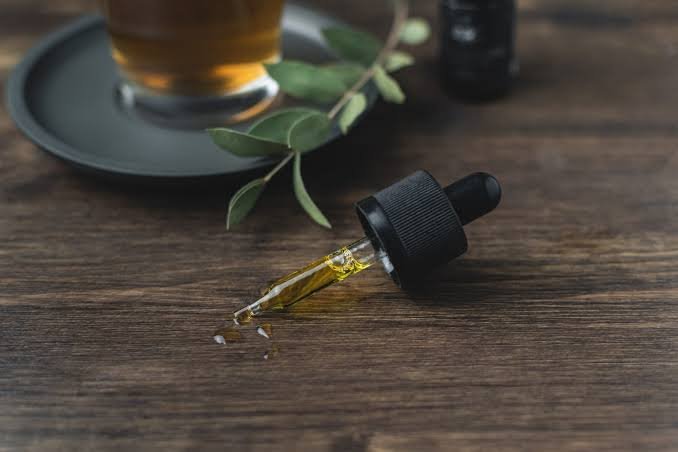
Next, it’s time to drop your essential oils into a bottle to begin the mixing process. We recommend using a clean, empty glass for the best results.
Once you have the right glass, add your base notes first. From there, you can start to add the other oils.
Step 3: Let the Essential Oil Mixture Settle
Next, and one of the most important steps, you need to let the essential oil mixture rest. The good news is that this doesn’t take long; you only have to wait a few days.
Overall, expect the process to settle for 24 to 36 hours. Depending on the oils, you may need to wait up to 48 or 72 hours, so keep this in mind.
Step 4: Dilute the Essential Oils
Next, you may need to consider diluting essential oils. If you plan on mixing two potent essential oils for your hair or skin, you may need to dilute them before applying them.
In order to do this, you’ll need a carrier oil, like castor oil. A good rule of thumb to follow is that you should add around 12 drops of essential oils for every tablespoon of carrier oil.
Step 5: Test Your Essential Oil Mixture
Last but not least, it’s time to test your essential oil mixture. If you plan on applying it to your skin, use a patch test first; apply the oil to your skin and wait 24 hours. Notice rashes or other issues? Don’t use these oils.
If you want to test the aroma of the oils, you can run them in an aroma diffuser to evaluate what they smell like.
Final Thoughts on How to Mix Essential Oils
Overall, learning how to mix essential oils has never been easier. As long as you follow the steps we covered in this guide, you shouldn’t have any issues. Make sure you test the oils thoroughly, consider what you want out of essential oils, and don’t forget to grab a carrier oil.