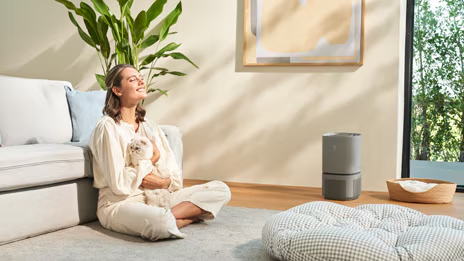
From Stale to Fresh: Proven Ways to Improve Indoor Air Quality and Support a More Comfortable Indoor Environment
The air inside a building plays an important role in creating a comfortable and pleasant environment for everyday activities. People spend a large portion of their time indoors, yet the quality of the air around them can easily be overlooked. Dust, odors, moisture, airborne particles, cleaning products, cooking emissions, pet dander, and inadequate ventilation can all influence how fresh an indoor space feels. Improving indoor air conditions does not always require complicated solutions or expensive equipment. Simple practices such as maintaining HVAC systems, replacing filters, controlling humidity, improving ventilation, reducing pollutant sources, and keeping surfaces clean can make a meaningful difference. Understanding the factors that affect indoor air quality allows property owners to take practical steps toward creating cleaner, fresher, and more comfortable indoor spaces.
Understanding What Makes Indoor Air Feel Stale
Stale indoor air can develop when there is insufficient ventilation or when pollutants accumulate faster than they are removed. Enclosed rooms may collect odors, moisture, dust, and airborne particles, particularly when doors and windows remain closed for long periods. Everyday activities such as cooking, cleaning, showering, and using household products can introduce additional substances into the air. Poor airflow can make these conditions more noticeable and may also contribute to an uncomfortable indoor atmosphere. Improving indoor air quality begins with identifying why air feels stale and determining whether ventilation, filtration, moisture control, cleaning, or another factor needs attention. Once the underlying sources are understood, practical improvements can be introduced more effectively.
Improving Ventilation
Ventilation is one of the most important factors in maintaining fresh indoor air. Proper ventilation allows stale air, excess moisture, odors, and certain airborne pollutants to leave the building while bringing in appropriate amounts of outdoor air. Mechanical exhaust fans can be particularly useful in kitchens and bathrooms where cooking and bathing generate significant moisture and odors. When outdoor conditions are suitable, opening windows and doors for limited periods may also increase air exchange. However, ventilation should be balanced with temperature control and outdoor air conditions. A well-planned ventilation approach can improve indoor air quality while helping maintain a comfortable indoor environment.
Maintaining HVAC Filters
HVAC filters help capture dust, hair, and other airborne particles before air circulates through the system. Over time, filters can become loaded with debris and may restrict airflow if they are not replaced or cleaned as recommended. Restricted airflow can affect HVAC efficiency and may cause the system to operate longer than necessary. The appropriate filter replacement schedule depends on the equipment, filter type, indoor conditions, and usage. Property owners should check filters regularly and follow manufacturer recommendations. Maintaining clean filters is a simple but important step toward supporting indoor air quality because effective filtration helps reduce the amount of airborne particulate matter circulating through occupied spaces.
Controlling Indoor Humidity
Humidity has a major influence on how comfortable an indoor environment feels. Excessive moisture can contribute to condensation, musty odors, and conditions that encourage unwanted biological growth, while extremely dry air can cause discomfort such as dry skin and irritated nasal passages. Air conditioning naturally removes some moisture during cooling, but additional dehumidification may sometimes be necessary. Bathrooms, kitchens, basements, laundry areas, and other moisture-producing spaces deserve particular attention. Maintaining reasonable humidity levels can support indoor air quality and help protect building materials and furnishings. Simple tools such as humidity monitors can help property owners understand whether moisture levels are consistently outside a comfortable range.
Reducing Dust and Airborne Particles
Dust is one of the most common contributors to an indoor environment that feels unclean or stale. It can accumulate on floors, furniture, carpets, bedding, curtains, shelves, and other surfaces before becoming airborne again through everyday movement. Regular vacuuming, dusting, washing bedding, and cleaning frequently used areas can reduce the amount of settled debris. Homes with pets may require additional cleaning because pet hair and dander can accumulate quickly. Choosing suitable vacuum equipment and maintaining its filters can also support better cleaning results. Reducing dust at its source, combined with appropriate HVAC filtration, can contribute to cleaner indoor air and a more comfortable environment.
Managing Cooking-Related Pollutants
Cooking can introduce smoke, steam, odors, grease particles, and other airborne substances into the indoor environment. These emissions can spread beyond the kitchen if they are not removed effectively. Using a properly functioning range hood or exhaust fan during cooking can help capture and remove some of these pollutants. Keeping exhaust equipment clean is also important because grease and debris can reduce its effectiveness over time. Opening a window may provide additional ventilation when outdoor conditions are suitable. Taking these practical steps can help prevent cooking-related pollutants from accumulating and can support better indoor air quality throughout the building.
Improving Bathroom Airflow
Bathrooms are another important area for ventilation because showers and baths can introduce significant amounts of moisture into the air. If humid air remains trapped in the room, condensation and musty odors may develop. Using a bathroom exhaust fan during and after showers can help remove excess moisture and improve air exchange. The fan and its grille should be kept reasonably clean so dust does not significantly restrict airflow. Plumbing leaks should also be addressed promptly because hidden moisture can create persistent problems. Effective bathroom ventilation can help manage humidity and contribute to a fresher indoor environment while protecting surrounding surfaces from unnecessary moisture exposure.
Keeping HVAC Equipment Clean
HVAC equipment continuously moves air through a building, making its condition an important part of indoor environmental management. Dust and debris can accumulate on filters, coils, blower components, and other parts when maintenance is neglected. Dirty components can reduce system efficiency and may contribute to poor airflow. Regular professional maintenance provides an opportunity to inspect and clean appropriate components while identifying problems that may affect system operation. Maintaining HVAC equipment can therefore support indoor air quality as well as heating and cooling performance. Property owners should follow manufacturer recommendations and arrange professional service when equipment shows signs of reduced performance or unusual operation.
Addressing Moisture and Water Problems
Persistent moisture is an important issue that should not be ignored. Leaking pipes, damaged roofs, plumbing failures, condensation, poor drainage, and HVAC drainage problems can all introduce excess water into indoor spaces. Moisture that remains unresolved can create odors and damage building materials. Property owners should regularly inspect areas around plumbing fixtures, windows, ceilings, HVAC equipment, and other locations where leaks or condensation may occur. Any visible water problem should be addressed promptly, and affected materials should be properly dried. Controlling moisture is an essential part of maintaining indoor air quality because a dry and well-managed indoor environment is generally easier to keep clean and comfortable.
Choosing Air Purification Solutions
Air purifiers and specialized filtration equipment can provide additional support in spaces where airborne particles are a particular concern. Different technologies target different types of contaminants, so selecting a device should be based on the actual needs of the space. Portable air cleaners may be useful for individual rooms, while whole-building solutions can be integrated with HVAC systems when appropriate. However, air purification should not be viewed as a replacement for ventilation, source control, cleaning, or regular HVAC maintenance. The most effective approach often combines several methods. Before purchasing specialized equipment, property owners should identify the main source of the air concern and determine whether filtration or another solution is the most suitable option.
Reducing Unnecessary Chemical Sources
Household cleaning products, air fresheners, paints, adhesives, and other products can release substances into indoor air. Using these products according to their instructions and ensuring appropriate ventilation can help reduce unnecessary buildup. Strong fragrances may also make an indoor environment feel unpleasant for some occupants. Whenever practical, property owners can choose products with lower emissions or use them only when necessary. Cleaning products should also be stored appropriately and never mixed in ways that could create dangerous reactions. Reducing unnecessary chemical sources is another practical way to support indoor air quality while creating a fresher and more comfortable indoor environment.
Maintaining Clean Ductwork
Ductwork distributes conditioned air throughout many buildings, so its condition can influence airflow and overall system performance. Not every duct system requires routine cleaning, but visible contamination, significant debris, pest activity, or other specific concerns may justify professional evaluation. More importantly, ducts should be properly connected, sealed, and free from major restrictions. Leaking or damaged ductwork can reduce the amount of conditioned air reaching occupied spaces and may contribute to uneven temperatures. Property owners experiencing persistent airflow problems can ask a qualified professional to evaluate the duct system. Properly maintained ductwork can support efficient air distribution and contribute to better indoor air quality management.
Reducing Indoor Smoke
Smoke is a significant source of airborne particles and odors. Tobacco smoke, cooking smoke, combustion appliances, candles, fireplaces, and other sources can all affect indoor air. Avoiding smoking inside buildings is one of the most effective ways to reduce unnecessary smoke exposure. Cooking areas should have appropriate exhaust ventilation, while fuel-burning appliances should be properly maintained and vented. Candles and other combustion-based products should be used carefully and with suitable ventilation. Reducing indoor smoke sources can make the air feel noticeably fresher and can support better indoor air quality by limiting the introduction of unnecessary airborne particles and odors.
Cleaning Carpets, Upholstery, and Bedding
Soft surfaces can collect dust, hair, pet dander, and other particles over time. Carpets and upholstery may trap debris that becomes airborne when people walk, sit, or move around. Regular vacuuming can help reduce accumulated particles, while bedding and washable fabrics should be cleaned according to appropriate care instructions. Curtains and other fabric surfaces can also collect dust and may benefit from periodic cleaning. Property owners should pay additional attention to areas where pets spend significant time. Consistent cleaning of soft surfaces can complement HVAC filtration and ventilation efforts and contribute to a cleaner indoor environment.
Monitoring Indoor Conditions
Paying attention to changes in indoor conditions can help property owners identify potential problems earlier. Persistent odors, condensation, excessive dust, unusually high humidity, poor airflow, and recurring dampness may indicate that something needs attention. A basic humidity monitor can provide useful information about moisture conditions, while regular visual inspections can reveal leaks or ventilation problems. HVAC performance should also be monitored for changes such as unusual noises, reduced airflow, or longer operating cycles. Monitoring does not replace professional assessment, but it can help identify patterns and encourage timely action. Regular observation supports a proactive approach to maintaining indoor air quality rather than waiting until problems become severe.
Creating Better Everyday Airflow
Furniture placement can influence airflow within a room. Large furniture pieces, curtains, storage containers, or other objects placed directly over supply vents or return registers can restrict air movement. Keeping these areas clear allows the HVAC system to distribute conditioned air more effectively. Interior doors may also affect airflow between rooms, particularly when return-air pathways are limited. Property owners can review room layouts and ensure that important vents remain unobstructed. Improving everyday airflow is a simple measure that can enhance comfort and support the HVAC system’s ability to circulate filtered and conditioned air throughout the building.
Scheduling Professional Inspections
Some indoor air concerns require more than routine cleaning or filter replacement. Persistent odors, recurring moisture problems, unexplained HVAC performance changes, visible contamination, or significant ventilation concerns may require professional evaluation. Qualified HVAC technicians can inspect filters, coils, drainage, airflow, and other equipment components that influence air circulation. Other specialists may be appropriate for building-related moisture or ventilation issues. Professional inspections can help identify underlying causes instead of simply treating symptoms. Combining expert evaluation with routine household practices provides a more comprehensive approach to maintaining indoor air quality and protecting the long-term condition of the building.
Building a Long-Term Maintenance Routine
Maintaining a comfortable indoor environment is easier when air-related tasks become part of a regular maintenance routine. Filters should be checked on a consistent schedule, HVAC equipment should receive appropriate professional service, bathrooms and kitchens should be properly ventilated, and moisture problems should be addressed promptly. Regular cleaning should include floors, furniture, bedding, carpets, and other surfaces where dust can accumulate. Property owners can also keep records of HVAC service, filter changes, repairs, and moisture-related issues. A consistent routine helps prevent important tasks from being forgotten and provides a structured way to support indoor air quality throughout the year.
Final Thoughts
Creating a fresher indoor environment requires attention to the many factors that influence the air inside a building. Ventilation, filtration, humidity control, HVAC maintenance, cleaning, moisture management, and source reduction all work together to create better indoor conditions. There is rarely one solution that addresses every concern, which is why a balanced approach is generally more practical. Property owners can begin with simple measures such as replacing filters, improving kitchen and bathroom ventilation, cleaning regularly, controlling moisture, and keeping HVAC systems maintained. When more complex problems appear, professional evaluation can help identify the underlying cause. By consistently applying these practices, it becomes possible to move from stale and uncomfortable indoor conditions toward a cleaner, fresher, and more comfortable environment.