How Boom Lifts Improve Efficiency, Safety, and Productivity on Modern Job Sites
Working at height is an essential part of many construction, maintenance, installation, renovation, and industrial projects. However, reaching elevated work areas safely and efficiently can become a major challenge when workers rely on ladders, scaffolding, or unsuitable equipment. Modern aerial access equipment provides a practical solution by giving workers a stable platform from which they can perform tasks at considerable heights. Among the most useful machines for these applications are boom lifts, which are designed to provide both vertical and horizontal reach. Choosing the right boom lift rental can help contractors access difficult work areas without making a major investment in purchasing specialized machinery. These machines are particularly valuable when projects require flexibility, mobility, and precise positioning. With the right equipment, businesses can reduce unnecessary delays while giving workers a safer and more productive working environment. Understanding the capabilities, advantages, and proper use of boom lifts can help project managers make better equipment decisions.
Understanding Boom Lift Equipment
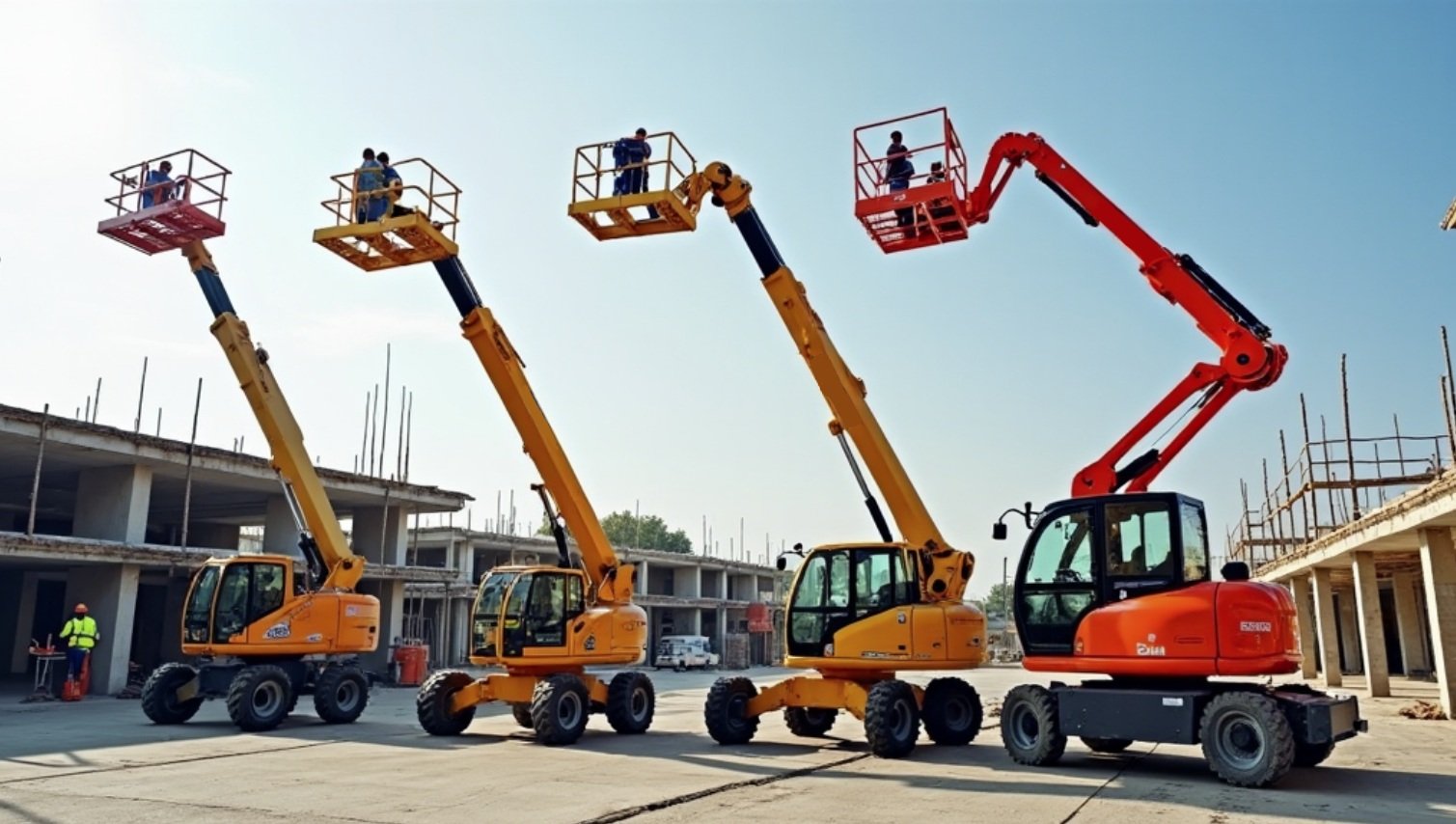
A boom lift is an aerial work platform that uses an extendable arm to position a work basket or platform where workers need to perform elevated tasks. Unlike basic vertical lifts, boom lifts can often move upward and outward, allowing operators to reach areas that are difficult to access directly from below. This makes them suitable for construction projects, building maintenance, electrical work, tree care, signage installation, painting, and many other applications. Depending on the design, boom lifts may use telescopic or articulated booms, with each configuration offering different movement capabilities. A telescopic model generally provides impressive horizontal reach, while an articulated model can maneuver around obstacles and access complex work areas. Before arranging a boom lift rental, project managers should understand the required working height, horizontal reach, platform capacity, terrain, and movement requirements. Selecting equipment according to these factors can make operations considerably smoother and more efficient.
Why Boom Lifts Are Valuable for Elevated Work
One of the biggest benefits of boom lifts is their ability to provide access to elevated areas without requiring extensive temporary structures. Traditional scaffolding can take considerable time to assemble, adjust, and remove, particularly when a project involves multiple work areas. A boom lift can often be positioned quickly, allowing workers to reach the required height with much less preparation. This mobility is especially useful when teams need to move between different sections of a building or worksite throughout the day. With an appropriate boom lift rental, contractors can obtain the equipment they need for the duration of a project without committing to long-term ownership. The machine can also reduce the physical effort associated with repeatedly climbing ladders or carrying tools to elevated locations. As a result, workers can spend more time completing productive tasks and less time dealing with access-related challenges.
Improving Productivity on Job Sites
Productivity is closely connected to how efficiently workers can access their work areas. When employees have to repeatedly climb ladders, relocate scaffolding, or wait for other equipment, valuable working hours can be lost. Boom lifts help address this problem by providing a mobile platform that can be repositioned as work progresses. Operators can move the machine to different areas and adjust the boom to reach specific points, reducing unnecessary movement by the workforce. For contractors managing demanding schedules, this flexibility can contribute significantly to meeting project deadlines. A properly selected boom lift rental can also eliminate the need to maintain expensive equipment that may only be required for a limited period. Instead of tying up capital in machinery, businesses can allocate their resources toward labor, materials, and other project requirements. Better access ultimately allows skilled workers to focus on the actual work rather than spending excessive time solving access problems.
Supporting Safer Working Practices
Safety should always be one of the primary considerations when working at height. Falls from elevated surfaces can result in serious injuries, property damage, project delays, and significant financial consequences. Boom lifts are designed with work platforms and safety features that provide workers with a more controlled elevated workspace compared with makeshift access methods. Operators can position the platform at an appropriate height and maintain a stable working area while completing their tasks. However, the equipment must always be operated according to manufacturer instructions and applicable safety requirements. Workers should receive suitable training and understand platform capacity, operating controls, emergency procedures, and site-specific hazards. Before using a boom lift rental, teams should inspect the equipment and confirm that it is appropriate for the intended environment. Safe operation also requires awareness of overhead obstructions, uneven surfaces, weather conditions, nearby power lines, and other hazards that could affect stability.
Choosing the Right Type of Boom Lift
Different projects require different types of aerial equipment, which means selecting the correct boom lift is an important part of planning. Telescopic boom lifts are often useful when long horizontal or vertical reach is required and the working area is relatively open. Articulated boom lifts, on the other hand, provide additional flexibility because their joints allow the boom to move around obstacles and access difficult positions. The power source is another factor to consider, as electric models can be suitable for many indoor applications where emissions and noise need to be minimized. Diesel-powered machines may be more appropriate for demanding outdoor applications where rough terrain and higher power requirements are involved. When arranging a boom lift rental, contractors should provide the rental company with detailed information about the project rather than simply requesting the largest available machine. The right equipment should provide adequate reach and capacity without creating unnecessary operating costs or logistical complications.
Considering Height and Reach Requirements
Working height and horizontal reach are two different measurements that should not be confused when selecting aerial equipment. A machine may have an impressive maximum platform height but still be unsuitable if workers need to reach far across an obstacle or structure. Project managers should identify the highest point workers need to access and determine how far the platform must extend horizontally from the machine’s base. They should also consider whether the machine will need to operate around walls, machinery, trees, structural elements, or other obstacles. Accurate measurements can prevent the common mistake of selecting equipment that technically reaches the required height but cannot position workers where they need to work. A reliable boom lift rental provider can help contractors evaluate these requirements and identify a machine with suitable specifications. Taking time to assess reach requirements before equipment arrives can prevent costly delays, equipment exchanges, and interruptions to the work schedule.
Evaluating Ground Conditions
The condition of the working surface is another important factor when selecting a boom lift. Some machines are designed primarily for smooth surfaces and controlled environments, while others are equipped to operate on rough or uneven terrain. Outdoor construction areas can contain loose soil, gravel, slopes, mud, debris, or recently disturbed ground, all of which may affect equipment stability. Operators should understand the machine’s operating limitations and use appropriate procedures for the surface conditions. Ground clearance, tire configuration, stabilization systems, and machine weight can all influence how effectively a boom lift performs in a particular environment. When arranging a boom lift rental, it is important to explain the expected ground conditions to the rental provider so the appropriate equipment can be selected. Proper site preparation can further improve safety by removing debris, identifying soft areas, and creating suitable access routes before the machine begins operation.
Understanding Platform Capacity
Every boom lift has a maximum rated capacity that must never be exceeded. This capacity generally includes workers, tools, equipment, and materials placed inside the platform, so teams need to account for the combined weight rather than simply counting the number of workers. Carrying excessive materials can affect machine performance and create dangerous operating conditions. Workers should also distribute loads appropriately and avoid placing items where they could interfere with controls, access points, or safety equipment. Project managers should estimate the weight of workers and tools before selecting the equipment to ensure there is an adequate safety margin. A suitable boom lift rental should provide enough platform capacity for the actual work requirements without encouraging unnecessary overloading. Clear communication between supervisors, operators, and workers can help ensure that capacity limitations are understood throughout the project.
Reducing Equipment Ownership Costs
Purchasing heavy aerial equipment can involve a substantial initial investment, followed by continuing expenses for maintenance, storage, insurance, inspections, repairs, and depreciation. For businesses that only occasionally require elevated access equipment, ownership may not be financially practical. Renting allows contractors to access modern machinery when needed while avoiding many long-term ownership responsibilities. This approach can be especially beneficial for short-term projects, seasonal work, or businesses that handle a wide variety of jobs with changing equipment requirements. A boom lift rental arrangement can provide access to specialized equipment without requiring a company to keep a machine in storage between projects. Rental costs can also be incorporated into individual project budgets, making equipment expenses easier to track. By comparing rental costs with the total cost of ownership, businesses can determine whether renting provides the more economical solution for their particular operating model.
Preparing Workers Before Operation
Even advanced equipment cannot guarantee safety if workers do not understand how to operate it correctly. Operators should receive appropriate training and become familiar with the specific machine before beginning productive work. They should understand the control system, emergency lowering procedures, platform limits, travel functions, steering characteristics, and safety features. A pre-operation inspection should also be completed to identify visible damage, fluid leaks, tire issues, control problems, or other conditions that could affect safe operation. Workers should never assume that two machines will operate identically simply because they belong to the same general equipment category. When receiving a boom lift rental, operators should review the machine’s controls and documentation before using it. Supervisors should also make sure that all workers understand site-specific hazards and communication procedures, particularly when multiple crews or pieces of heavy equipment are operating nearby.
Maintenance and Inspection Considerations
Proper maintenance plays an important role in keeping aerial equipment reliable and safe throughout a project. Rental companies generally maintain their machines according to established schedules, but users should still conduct appropriate inspections before operation. Daily checks can help identify obvious issues that should be reported before the equipment is placed into service. Operators should pay attention to unusual sounds, warning indicators, damaged components, hydraulic issues, tire condition, and any irregular behavior during operation. If a problem develops during the rental period, workers should stop using the equipment when necessary and contact the rental provider rather than attempting unauthorized repairs. A dependable boom lift rental supplier can provide maintenance support and guidance when mechanical concerns arise. Prompt reporting can help prevent minor issues from developing into larger equipment failures that could interrupt the project and increase costs.
Planning Transportation and Site Access
A boom lift may be highly useful once it reaches the jobsite, but transportation and access should be considered before the rental period begins. Larger machines may require specialized transportation arrangements, and the site must have sufficient access for delivery vehicles and equipment movement. Narrow entrances, low-clearance structures, gates, steep approaches, or restricted pathways can create logistical problems if they are not identified in advance. Project managers should evaluate the route from the delivery point to the intended operating area and determine whether the machine can safely travel through it. They should also identify where the equipment will be parked when it is not in use. By discussing these details with the rental provider, contractors can arrange a boom lift rental that matches both the operational requirements and the physical limitations of the site. Good planning reduces the risk of delivery delays and helps the equipment become productive as soon as it arrives.
Improving Project Planning With the Right Equipment
Equipment selection should be part of the initial project planning process rather than an afterthought. Before work begins, managers should identify the tasks requiring elevated access, the expected duration of those tasks, the working heights involved, and the conditions under which the equipment will operate. They should then compare machine specifications against those requirements and establish a realistic rental period. Choosing equipment too early without understanding the work sequence can result in unnecessary costs, while waiting until the last moment can create availability problems and schedule disruptions. A carefully planned boom lift rental can support a smoother workflow because the equipment is available when workers are ready to perform elevated tasks. Project managers can also coordinate delivery, training, inspections, and removal around the broader construction schedule. This level of preparation helps prevent downtime and makes better use of both labor and equipment resources.
Practical Benefits Across Different Industries
Boom lifts are useful in far more situations than conventional construction projects. Facility maintenance teams may use them for lighting repairs, exterior inspections, mechanical work, and building maintenance. Electrical contractors can use elevated platforms to reach installations while reducing the need for temporary structures. Sign installation, painting, tree maintenance, warehouse work, event preparation, and industrial maintenance can also benefit from mobile elevated access equipment. The ability to move the platform into precise positions makes boom lifts particularly useful when the work area changes frequently. A boom lift rental can therefore provide a flexible solution for businesses that do not want to maintain specialized aerial equipment throughout the year. By matching the machine to the application, companies can improve worker access while keeping equipment spending aligned with actual operational needs.
Making the Rental Process More Efficient
A successful rental experience depends on clear communication between the customer and equipment provider. Contractors should provide accurate information about the required height, reach, platform capacity, operating surface, expected rental duration, and working environment. They should also ask about delivery arrangements, operator requirements, fuel or charging procedures, inspection documentation, and support services. Comparing equipment based only on rental price can lead to poor decisions if the cheapest machine does not meet the project’s technical requirements. Instead, businesses should consider overall value, reliability, suitability, support, and operating efficiency. The best boom lift rental choice is the one that provides the necessary performance while fitting comfortably within the project’s safety and financial requirements. Careful planning at the beginning can make the entire rental process more straightforward and reduce the likelihood of unexpected problems.
Conclusion
Boom lifts have become an important solution for businesses and contractors that need reliable access to elevated work areas. Their combination of height, horizontal reach, mobility, and platform access can make difficult tasks significantly easier to organize and complete. When selected correctly, they can improve productivity while supporting safer working practices and reducing the need for temporary access structures. Renting can also provide financial flexibility by allowing companies to use specialized equipment without accepting the long-term costs associated with ownership. Before arranging equipment, project managers should carefully evaluate reach, platform capacity, terrain, power requirements, transportation, operator training, and the overall work environment. A well-planned boom lift rental can provide the right balance of accessibility, efficiency, flexibility, and cost control for a wide range of elevated work applications. Ultimately, the value of this equipment comes from matching the right machine to the right task and ensuring that trained workers operate it responsibly throughout the project.