How Do You Pair Backup Power With Home Solar?
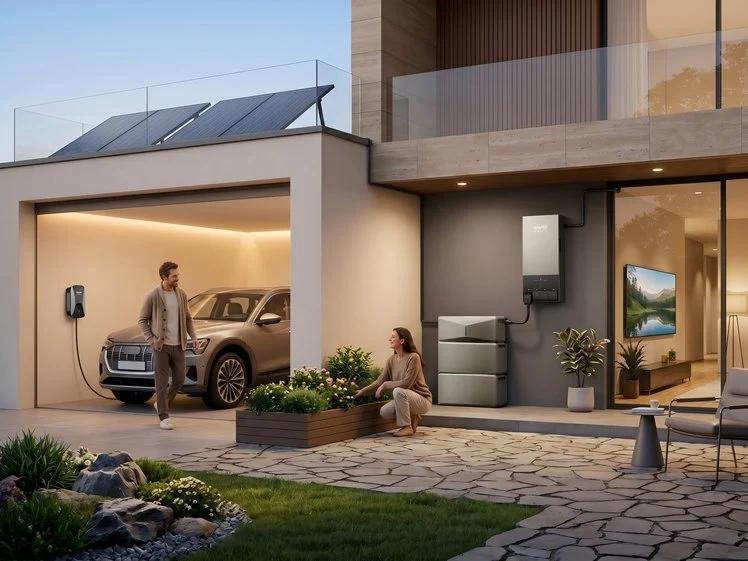
Here is the fact that surprises most solar owners: when the grid goes down, most rooftop systems go down with it. Panels sit in full sun above a dark house, generating nothing anyone inside can use. It is not a flaw so much as a missing half—the panels make electricity while the sun is up, and nothing decides where that electricity goes at night or during an outage. That second half is storage, and pairing the two is what turns a sunny roof into a real supply. Doing it well means planning the array and the battery as one system, sized to the loads you actually have and built so that it can expand when your needs grow.
What Solar Does When the Grid Drops
Panels That Shut Off Without a Battery
Here is the part that surprises new solar owners: when the grid goes down, most rooftop systems switch off too. The inverter is designed to stop sending power so it cannot injure line workers repairing the grid, and without a battery your panels have nowhere to send their output, so they simply idle. That is exactly when many owners start comparing the whole house generator cost of a fuel system with a battery that can work alongside the panels they already own. The shutdown is a safety measure, not a fault—but it means the panels sit idle precisely when you want them most, which is the case for pairing storage with panels from the start.
Systems That Keep Producing
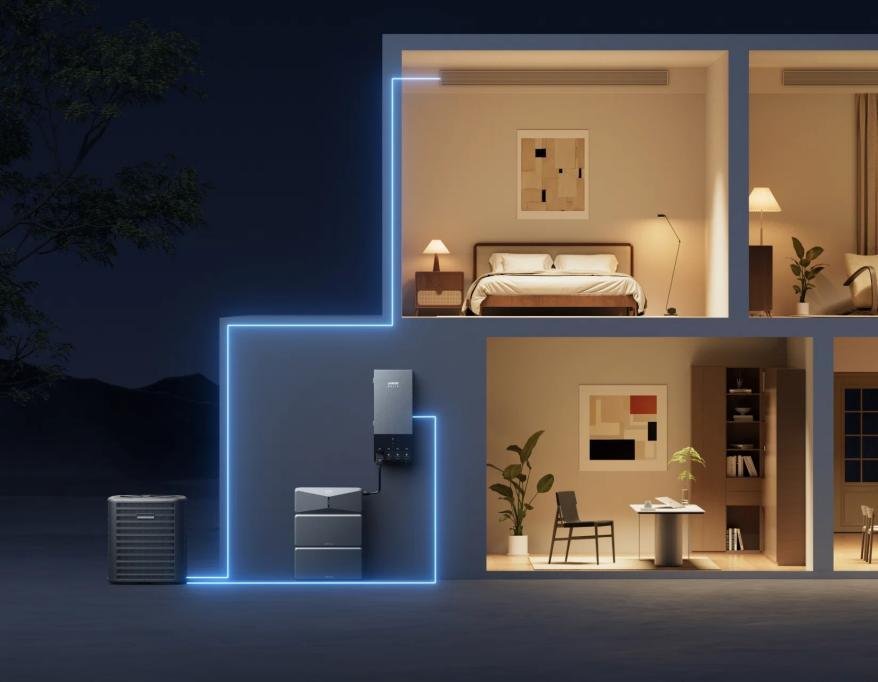
Add a battery, and the picture changes. The panels keep making power during the day, the battery absorbs it, and the home draws from the battery when the grid is gone. A modern hybrid inverter can do this automatically and keep selected circuits running the whole time. Battery size, not the number of panels on the roof, is what decides how long that quiet operation lasts. Even a modest battery keeps the fridge, the internet, and a few lights alive through an afternoon outage while the panels refill it.
What Storage Adds to a Solar Home
Power After Sunset
The most obvious thing storage adds is the evening. Panels stop producing when the sun goes down, which is exactly when most households use the most electricity. A battery shifts the daytime production to the hours you actually need it, so you rely less on the grid after dark. With the right settings, it can also soak up cheap off-peak power and release it later. In practice, that means more of your own solar gets used at home instead of exported. For most households, that shift alone is worth the cost of storage, whether or not the grid ever fails again. It also means less of your own solar energy gets exported for a fraction of what you paid for it.
Power When the Grid Is Down
The second thing storage adds is resilience. A battery paired with solar gives you a supply that does not depend on fuel deliveries or on the grid coming back. It can ride through a short outage silently and, on a sunny day, keep topping itself up while the outage continues. That combination is what makes a solar home genuinely self-reliant for the essentials. Without storage, the panels are an investment that pauses the moment the grid does. It is the difference between owning a solar system and being able to rely on one, which is the whole point. Panels alone are an investment that pauses whenever the grid does.
How to Plan the Two Together
Size the Array to Your Loads
Start from your loads rather than from the roof. Work out how much electricity you use in a day and how much of it you would want to cover during an outage. That number tells you what size battery makes sense and how much array you need to refill it. It is usually cheaper to trim a few loads than to add more panels. Plan the daytime production and the evening demand together, and the system stops being oversized in one direction and short in the other. Get that balance right and the battery rarely runs empty, even through a long grey week of rain.
Add Storage You Can Expand
Finally, leave room to grow. Households change, and so does what you want to keep running through an outage. Anker SOLIX E10 Whole-Home Backup draws power from the panels you already own, so the same sun that runs your home in the day also keeps the circuits that matter most alive when the grid goes down, which is exactly what most solar owners are looking for. Choosing expandable storage now means you are not replacing the system later, just adding to it, and working alongside your solar it keeps paying off for years. That way the same investment keeps serving the house as it changes.
Conclusion
Solar and storage each solve half of a problem the grid used to handle alone, and the households that get the most from both are the ones that planned them as one system. Panels sized to the loads you actually run, a battery with room to grow, and a pairing decided on paper before anything goes on the roof. Done that way, the sun does the daily work, the battery decides when you get to use it, and an outage finds a house that keeps its lights and its fridge without particularly noticing. The grid becomes a backup to the backup, which is the quiet definition of energy independence.