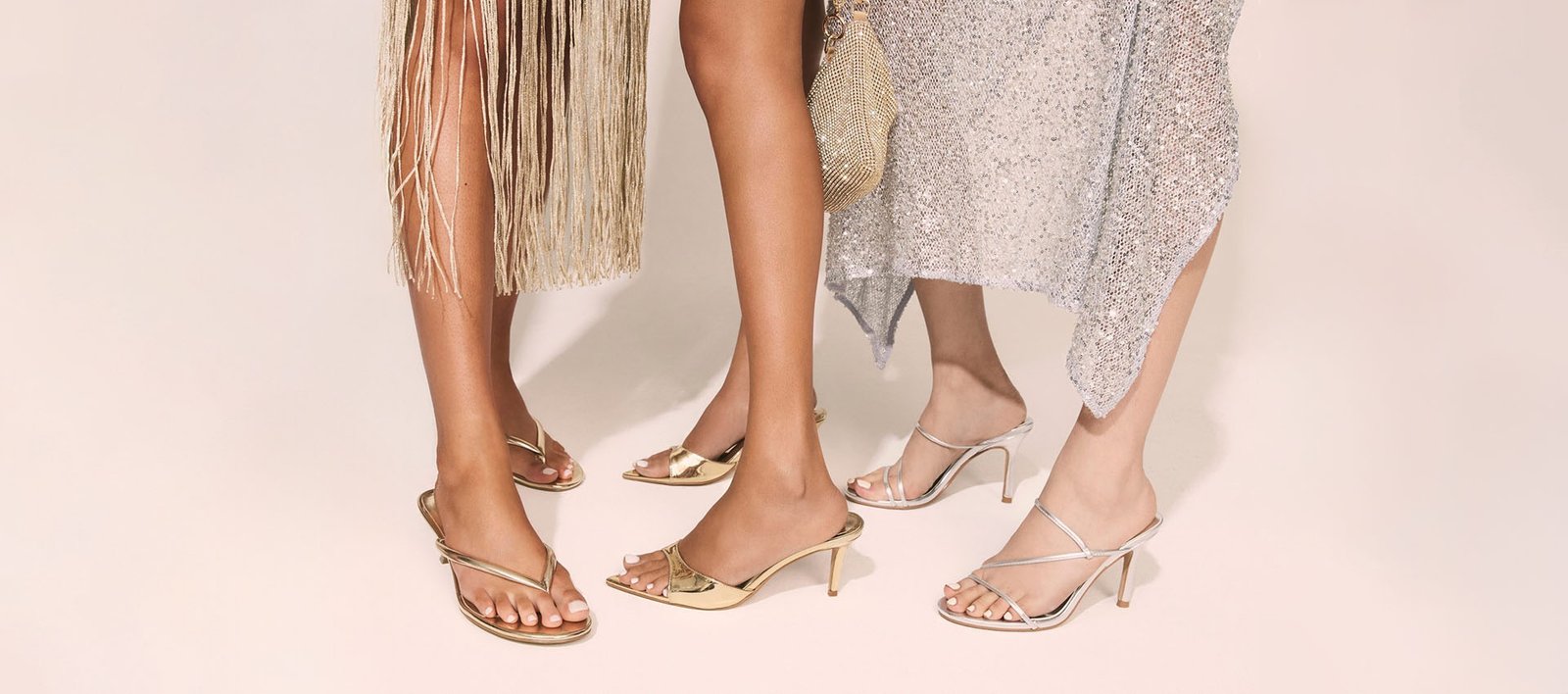
The Small Details That Make an Everyday Outfit Feel More Considered
Most good everyday outfits aren’t complicated. A pair of jeans, a simple knit, a dress, or tailored trousers can already do most of the work. What often changes the whole impression is what comes next: the shoes, the bag, and a few small styling decisions that make the clothes feel intentional rather than simply thrown together.
That doesn’t mean everything needs to match. In fact, outfits often look better when the pieces relate to each other without being identical. The aim is to create a sense of balance.
Start with the shoes
Shoes are one of the quickest ways to change the mood of familiar clothes.
Straight-leg jeans with sneakers feel casual. The same jeans with pointed pumps immediately look sharper. Add loafers and the outfit leans classic; choose boots and it gains more weight and structure.
This is why it can be useful to think about footwear before finishing the rest of an outfit.
When browsing a footwear-focused site such as ROSATINA, I’m less interested in finding one shoe that works with absolutely everything than in looking at how different silhouettes could change clothes I already own. A slim heel, chunky loafer, tall boot, or simple sandal each creates a different proportion around the leg.
Hemlines matter here too.
Wide-leg trousers often need a shoe with enough presence to avoid disappearing underneath the fabric. Cropped trousers give slimmer shoes more room. With midi skirts and dresses, the height of a boot or ankle strap can change how long or short the lower leg appears.
Sometimes the outfit doesn’t need different clothes. It just needs a different shoe.
Let the bag support the outfit
Bags work in a similar way, but they affect the upper and middle part of the silhouette.
A large slouchy shoulder bag makes an outfit feel more relaxed. A compact top-handle bag creates a cleaner shape. Crossbody bags can make a practical daytime outfit feel complete without adding much visual weight.
The size of the bag matters as much as its color.
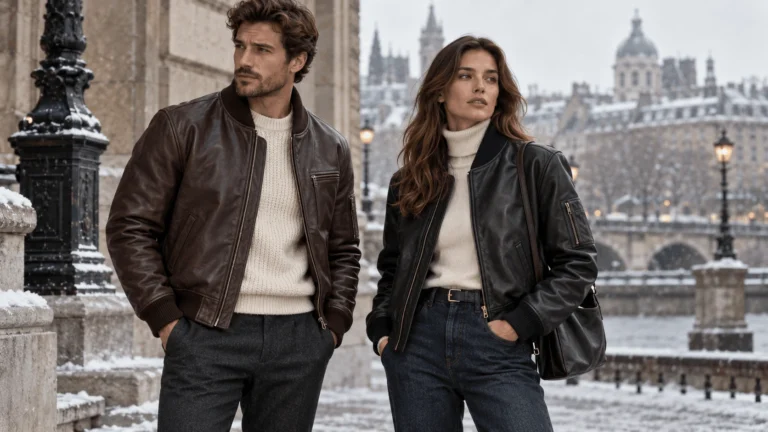
If I’m already wearing an oversized coat, very wide trousers, or a chunky knit, an equally oversized bag can sometimes make everything feel too heavy. A smaller or more structured bag may provide better contrast.
On the other hand, a tiny bag can look slightly lost beside a long coat or loose tailoring. This is where a medium-sized shoulder bag or tote often makes more sense.
There’s also no rule saying your bag has to match your shoes exactly. When looking through different styles on DOKIBAGS, I’d pay more attention to shape, texture, and scale than whether the color is an exact match for something else in the outfit.
A dark brown bag can work perfectly well with black shoes. Burgundy can sit comfortably beside navy. A cream bag doesn’t need cream footwear to make sense.
The connection can be much more subtle.
Repeat a color instead of matching everything
Exact matching can sometimes make an outfit feel overly planned. Repeating a small amount of color usually looks more natural.
If your bag is burgundy, you might repeat a similar tone in a scarf, print, or even lipstick. Brown shoes could connect with tortoiseshell sunglasses or the warm buttons on a coat.
The repeated detail doesn’t have to be obvious.
Even metal hardware can create that connection. Silver earrings with silver bag hardware or a gold buckle repeated in a belt may be enough to make separate pieces feel related.
This is particularly useful when most of the outfit is neutral.
Black, grey, navy, cream, denim, and brown give accessories more space to stand out without turning the whole look into a collection of competing colors.
Mix textures when the colors are simple
An outfit can use very few colors and still look interesting if the materials are different.
A black knit with black trousers can feel flat on its own. Add smooth leather shoes, a suede bag, or a metal buckle and suddenly there’s more depth, even though the palette hasn’t changed.
The same applies to lighter outfits.
Denim works well with polished leather because the surfaces feel different. Soft knitwear can benefit from a structured bag. Satin or silk can look more relaxed next to suede.
Texture is especially useful for people who don’t enjoy bold prints or strong colors. You can keep the palette quiet while still making the outfit feel layered.
Be careful when everything is a statement
Interesting accessories are useful, but they need room.
If the shoes already have an unusual shape, heavy hardware, or a strong color, they may be enough to carry the outfit. Adding a highly decorated bag, dramatic jewelry, and a loud print at the same time can make it difficult to know where to look.
I prefer deciding what the main point of the outfit is.
If it’s the shoes, I’ll usually keep the bag calmer. If I want the bag to stand out, simpler footwear often gives it more space.
There are no fixed rules here. The important part is being able to tell which item you want people to notice first.
Think about where the bag actually sits
Strap length is easy to overlook when shopping, but it changes how a bag works with the body.
A crossbody bag sitting high on the torso feels very different from one resting near the hip. Shoulder bags tucked close under the arm can create a clean line, while longer straps usually feel more relaxed.
The right position also depends on what you’re wearing.
A bag that sits perfectly with a fitted dress might feel awkward over a thick winter coat. A crossbody strap that works over a T-shirt may suddenly feel too short once layers are added.
Adjustable straps are useful for exactly this reason.
Dress for real life
The best-looking accessory isn’t always the one that makes sense for the day ahead.
If you need to carry a laptop, charger, water bottle, and other essentials, a tiny shoulder bag is probably going to become frustrating very quickly. If you’ll be walking for hours, a shoe you can actually move in matters more than how good it looked for thirty seconds in front of the mirror.
Practical choices don’t make an outfit less stylish.
In many cases they improve it. Clothes and accessories look better when you can move naturally in them instead of constantly adjusting a strap, carrying something awkwardly, or thinking about sore feet.
A good outfit usually needs less than you think
It’s easy to assume that improving a wardrobe means buying more clothes. Often, the bigger difference comes from getting better at combining what’s already there.
Change the footwear. Try a different bag size. Adjust the strap. Repeat one color. Mix a soft texture with something structured.
These are small decisions, but they affect how the whole outfit reads.
And when an outfit feels almost right but something is still missing, I usually look at the shoes and bag before changing anything else.